“The game will test you NEVER FOLD.
Stay ten toes down.
It’s not on you.
ITS IN YOU.
And what’s in you
THEY CAN NEVER TAKE AWAY.”
— Nipsey Hussle.
Final Criticism Post !
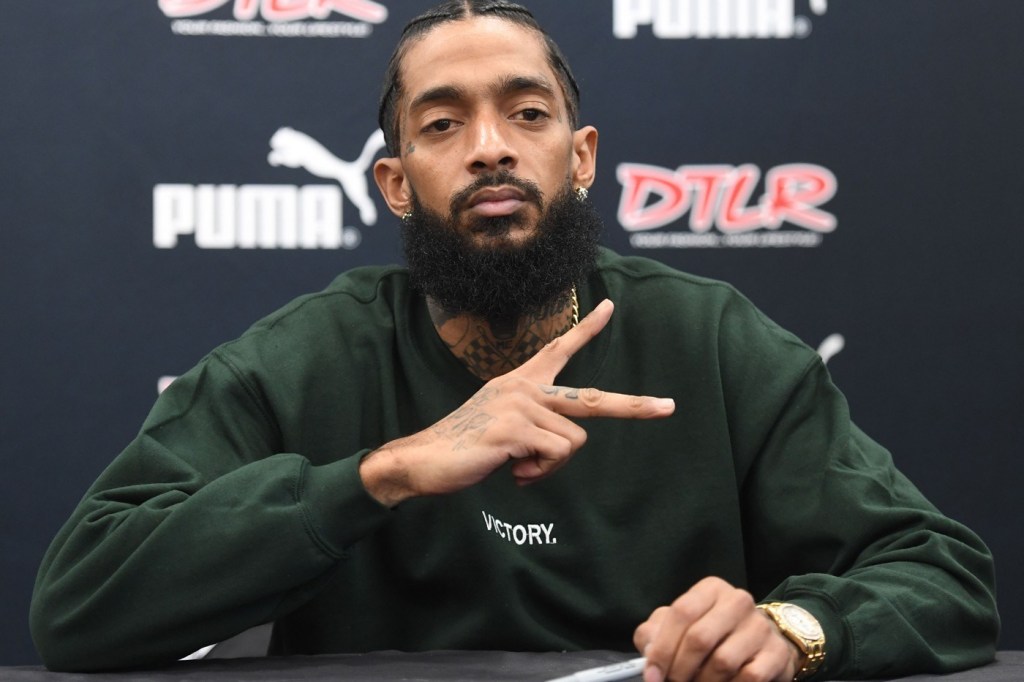
Through this spring semester, it has been very trying and challenging, with a global pandemic during the most crucial time in my school career. In comm 142, rhetorical criticism, my criticism posts have been centered around American rapper Nipsey Hussle and his life from the time he was in a gang (rollin 60s crips) to a community activist and self-made entrepreneur.
This semester has offered me the opportunity to see past Nipsey Hussle’s lyrics, and read deeper into the meaning behind them. Through different rhetorical methods I have learned to open my mind to the different audiences Hussle is trying to reach when he “preaches” his life experiences to young men and women who respect him in the music industry. This final post offers revisions I have made to make my past posts stronger and more enticing to read…
Before revisions :
- https://tinatalks.music.blog/2020/02/10/criticism-post-1-victory-lap/
- https://tinatalks.music.blog/2020/02/15/criticism-post-2-bullets-aint-got-no-name/
- https://tinatalks.music.blog/2020/02/29/criticism-post-3-racks-in-the-middle/
- https://tinatalks.music.blog/2020/03/09/criticism-post-5-higher/
After revisions :
- https://tinatalks.music.blog/2020/05/07/criticism-post-1-victory-lap-2/
- https://tinatalks.music.blog/2020/05/07/criticism-post-2-bullets-aint-got-no-name-2/
- https://tinatalks.music.blog/2020/05/07/criticism-post-3-racks-in-the-middle-2/
- https://tinatalks.music.blog/2020/05/07/criticism-post-5-higher-2/
The posts I revised used the methods of rhetorical criticism, the canon, close-text analysis, and narrative criticism. There are many pros and cons to these methods such as the rhetorical criticism has three different parts to address which is the exigence, audience, constraints/opportunities. This allows for depth in writing, and finding out the overall goal of the artist which is if the response if fitting to the demands of the situation or not. Though this is good, it can be hard to apply this method, because of the restraints you have to identify. Not all artists, songs, movies, or shows may have obvious restraints, especially if you feel passionate about the topic and find it hard to critique.
Another key method is narrative criticism, which has several parts to the method : characters, setting, theme, tone, plot, and conflict. Though you look at these and think “easy, just watch the content and look at it as if it were a story.” Which is ideal but sometimes you need to dig deeper to find the tone or the plot or the conflict. These things may seem easy to find, but in some situations you have to dig deep and truly understand the method to identify these parts.
This semester was tough to say the least and these methods required a lot of thought and time to analyze. Not only do the methods need thorough explanations, we as students cannot allow ourselves to go through the motions of posting what we think our professor wants to read, but something that we will learn from and carry on with us to further semesters and in life. If there is one thing that these methods and posts have taught me is that there is more than what the eyes see or the ears hear, there is content and that is what is important. My appreciation for communication and the learning of Nipsey Hussle has grown and I am grateful to learn more as I continue my education in the various methods this major has to offer.
Criticism Post #5 “Higher”
Narrative criticism examines if a story is good or not, and if the story seems true to life. In Claire Sisco King’s article, the author demonstrates that the movie Poseidon has an underlying message, and is not true to life as viewers expect it to be. The song higher is a good story because it is different from Nipsey Hussle’s typical rap song, the theme and the moral of the story tie it close to home and make it into something all audiences can relate to.
Within narrative criticism there are six different story elements :
- Characters : Who the people are in the story.
- Setting : Where the story occurs.
- Theme : The lesson, or moral of the story.
- Tone : The tone being happy, sad, uplifting, etc.
- Plot : What happens in the story.
- Conflict : The issue or problem in the story.
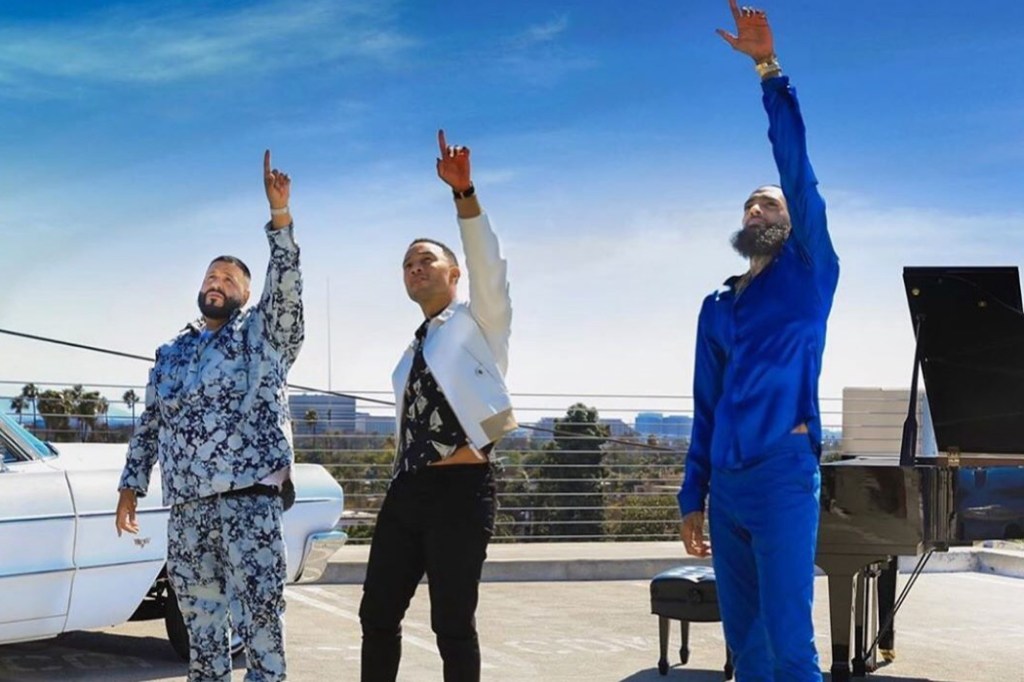
Characters : The main characters in this music video and song are DJ Khaled, Nipsey Hussle, and John Legend. All men have become very successful singers and songwriters, as well as great social influencers in the music industry. DJ Khaled is an American DJ, record executive, songwriter, record producer, author, and media personality. On the other hand, John Legend is an American singer, songwriter, producer, actor, and philanthropist. When putting all three great mind together for a song you get a masterpiece called “Higher.”
Setting : The setting took place in Inglewood, Los Angeles the city close to where Nipsey Hussle grew up. John Legend tweeted on March 31, 2019 “We filmed in Inglewood, close to where he grew up. He was so gifted, so proud of his home, so invested in his community. Utterly stunned that he’s gone so soon.”
Theme : The theme I took out of this song is in the chorus sung by John Legend :
“Oh, you keep taking me higher and higher (Yeah)
But don’t you know that the devil is a liar? (Yeah, I know)
They’d rather see me down, put my soul in the fire
But we keep goin’ higher, higher”
This to me means that no matter how many people “pray on your downfall,” wish bad on you, or look to you as another statistic to fail you have to keep going higher and rise above it.
Tone : The tone to me in this song is uplifting and happy. Though this song was released after Nipsey Hussle passed away, the piano played by John Legend and the choir in the background keeps the song upbeat and hopeful.
Plot : The plot is ultimately Nipsey Hussle telling his story growing up in Los Angeles, and sharing the reason for his existence which is ultimately that his Grandma never gave up on having children even though she had eleven miscarriages. In the genius annotations it read “My granny had 13 pregnancies and has two kids. She had 11 miscarriages from my uncle to my mom. Almost 12 years passed. She was just telling me, ‘Imagine if I would have gave up on my tenth miscarriage, my ninth miscarriage’ … I never thought about it. I wouldn’t be here. You can never repay your mom, your granny with material shit. You gotta repay them with standing up in life, being something they could be proud of.” This song goes through challenges and how Nipsey Hussle had to rise above it so his family would be able to say they were proud of him and he made it out the mud.
Conflict : The conflict in this song, like many of Nipsey Hussle’s songs is growing up in the streets of Los Angeles where gangs “empty clips” in broad daylight during a shootout. The police targeting people of color, growing up around gang bangin, homicides, and “dancing with the devil” to test the fate whether they get to live or die to see another day.
Citations :
Booth, P. (2010). Memories, Temporalities, Fictions: Temporal Displacement in Contemporary Television. Television & New Media, 12(4), 370–388. doi: 10.1177/1527476410392806
Rguzman. (2019, June 3). BTS Of Nipsey Hussle On His Last Music Video Set With DJ Khaled and John Legend. Retrieved from https://www.power106.com/2019/05/16/bts-of-nipsey-hussle-on-his-last-music-video-set-with-dj-khaled-and-john-legend/
Criticism Post #3 “Racks In The Middle”
In this weeks criticism post I chose to analyze Nipsey Hussle’s song “Racks In The Middle” with close-text analysis. Close-text analysis is the breaking down of a text in a way that makes it understandable for readers, and taking a deeper look at each individual section. We can see how close-text is used in Robert E. Terrill’s “Unity and Duality in Barak Obama’s ‘A More Perfect Union.'” This article analyzes Barak Obama’s speech back in 2008 where he addresses race, which is done through very specific detail in a close textual analysis.
Like any good song, there are many different lyrics and verses but do we really know what they mean? Sometimes I find myself singing a song or listening to the lyrics, and after the first couple of times I don’t realize what is really being said until I know the whole song word for word or someone points it out to me. Nipsey Hussle’s song “Racks In The Middle” ft. Roddy Ricch and Hit Boy debuted at #44 on the Billboard Hot 100 during April 13, 2019, and just a week later climbed its was up to #26! This is one of the songs that received a GRAMMY award on January 26, 2020 for “Best Rap Performance.”
Nipsey Hussle chose to do this song with Roddy Ricch because he was up and coming in the music industry and Nipsey felt he needed to embrace him whether it was doing this song with him or simply acknowledging the work his was doing. On the other hand Hit Boy was the one with the song “Racks In The Middle” that he was creating for his album and Nipsey came into the studio session and just starting rapping lyrics to the song, didn’t think about it or talk about it, just starting working with it like it was meant to be.
The song as a whole was good enough to win a GRAMMY award but I want to break down a set of lyrics that added soul and feeling to the song from the great Nipsey Hussle himself. In the video above staring at 5 minutes and 30 seconds begin the lyrics :
"Damn, I wish my nigga Fatts was here
How you die thirty somethin' after banging all them years?
Grammy-nominated, in the sauna sheddin' tears
All this money, power, fame and I can't make you reappear"
The first line “Damn, I wish my nigga Fatts was here is about Nipsey’s best friend “Fatts” who he said he had a genuinely good friendship with, someone he rode his bike with around their block and someone who was a definition or a “ride or die.” Growing up in the streets of South Central, Los Angeles they encountered a lot of gang violence and came upon many young men who felt pressured by gangs and being in the hood that they would fight their “homies” for acceptance, but Fatts and Nipsey never encountered that. Nipsey explained them as the type of homies that would never turn on each other, and Fatts was one of the few that really believed they could do something bigger and better than gang bang.
This leads to the second line “How you die thirty somethin’ after banging all them years?” that Nipsey is questioning why Fatts had to be taken from this earth at 30 years old. He was supposed to be their for their GRAMMY nomination, for putting in years and years of work with Nipsey to create a better life for themselves, getting out of the gang lifestyle that Fatts continuously talked about.
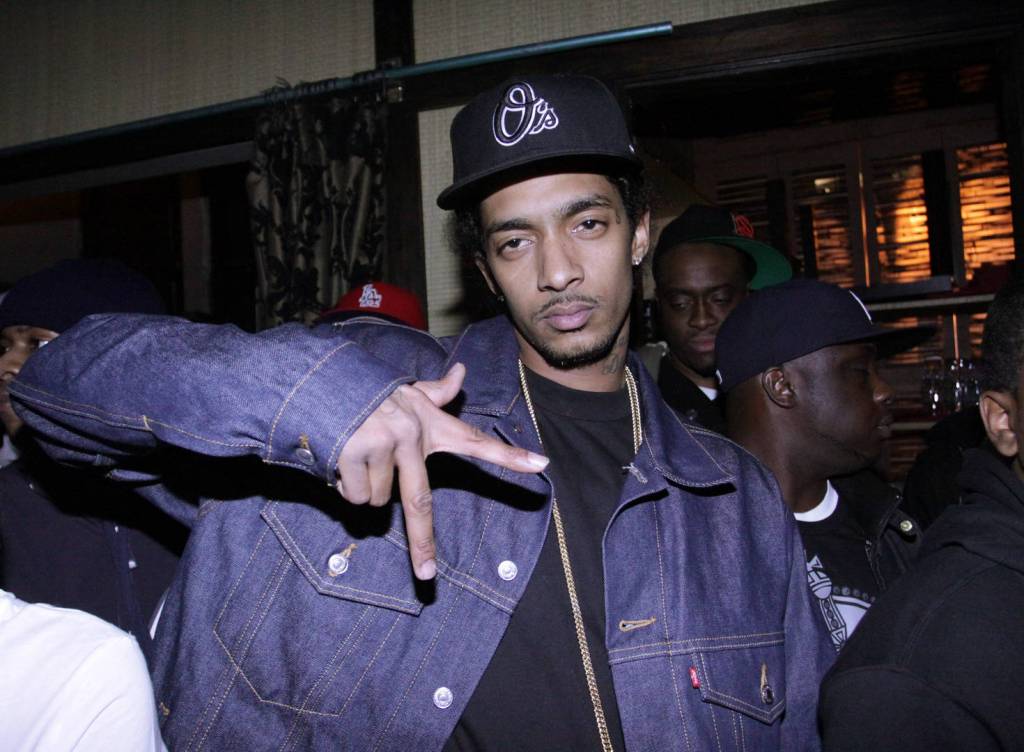
Leading to the third and final line “Grammy-nominated, in the sauna sheddin’ tears All this money, power, fame and I can’t make you reappear.” When Nipsey was rapping those lyrics in the studio it was very emotional for him and hit deep about the fact of him losing his best friends to the streets and just having to embrace the only life they knew. In the Genius video Nipsey said he had tears rolling down his face when rapping those lyrics and felt that his emotion was what made this song so powerful and gave it life. When Nipsey got the nomination he admitted to feeling guilty and torn up because he felt it was wrong to be excited or happy, when all he could think about was wishing his best friends was there to see it and appreciate that moment with him. No money, power, or fame could ever bring his best friend back to enjoying this deserved moment with him. It brought to life the cold reality that bullets ain’t got no names…
https://genius.com/Nipsey-hussle-racks-in-the-middle-lyrics https://djbooth.net/features/2019-03-07-nipsey-hustle-as-told-by-nipsey-hussle
Criticism Post #2 “Bullets Ain’t Got No Name”
This week we went over the Neo-Classical approach when looking at a text or any different medium of communication. The Neo-Classical approach I chose to blog about this week is “The Canon” which is broken up into five different parts :
- Invention : how did they come up with it? Inspiration? Outside text?
- Arrangement : order, why did they order it this way? Procedure, Structure.
- Style : person’s style, delivery style, embellishment?
- Delivery : fast? quick? Editing or cinematography?
- Memory : memorizing, memorable or not memorable and why not?
In this post I want to address the Invention of Nipsey Hussle’s first album “Bullets Ain’t Got No Name.” INVENTION is the reason as to why an artist comes up with something, their inspiration, their big WHY.
In this interview of Nipsey Hussle, the eight second mark is the beginning of his take on what it means to the saying “bullets ain’t got no name.” He explains that in one aspect of the term it is the “South Central state of mind” where gang members in Los Angeles go on what they call “missions” which is purposely going into their enemies’ “hood” and blatantly killing someone. He goes into further detail by saying that if you are a Blood and go into a Crip area it does not matter who you are or what your name is, you are the enemy and you will ultimately get killed, hence the bullet has no name for who “its” victims are. Growing up, Nipsey Hussle was part of that lifestyle seeing 15 to 16 year old kids go on “missions” everyday not knowing if the bullet was going to strike them or not.
The second half of the interview starting around two minutes, Nipsey Hussle explains that young men think that it shows a sign of manhood when getting a gun and shooting it and he wanted to speak on that from experience, from the inside perspective. “Bullets ain’t got no name” is somewhat of a universal truth in that when you shoot a gun it is shot to kill and you have to accept the repercussions that when you shoot you may hit an innocent bystander rather than the person the bullet was meant for.
Another key element to the canon method is MEMORY, which is whether or not the song is memorable. “Bullets Ain’t Got No Names” is memorable to me in the way that the song title is self explanatory and it just makes sense, bullets do not have names to the victims they kill. Following that, the lyrics to the song “pull the trigger, shoot that n****” rhyme even though the lyrics are deemed with defensive language it is easily memorable.
“Pull the trigger, shoot that n****”
This album along with all of Nipsey Hussle’s songs are created with the intention that the gang life should not be glorified, and his rap is the reality of what it is like to be part of that. He was a huge advocate against gang violence since he saw so much of it growing up in South Central Los Angeles in the Crenshaw district. His messages are sent to impact gang culture in hopes that his listeners realize that he is a human like everyone else and wherever he ended up, which was a successful entrepreneur, husband, father, and grammy award winner, any other kid on his block could end up there too.
Criticism Post #1 “Victory Lap”
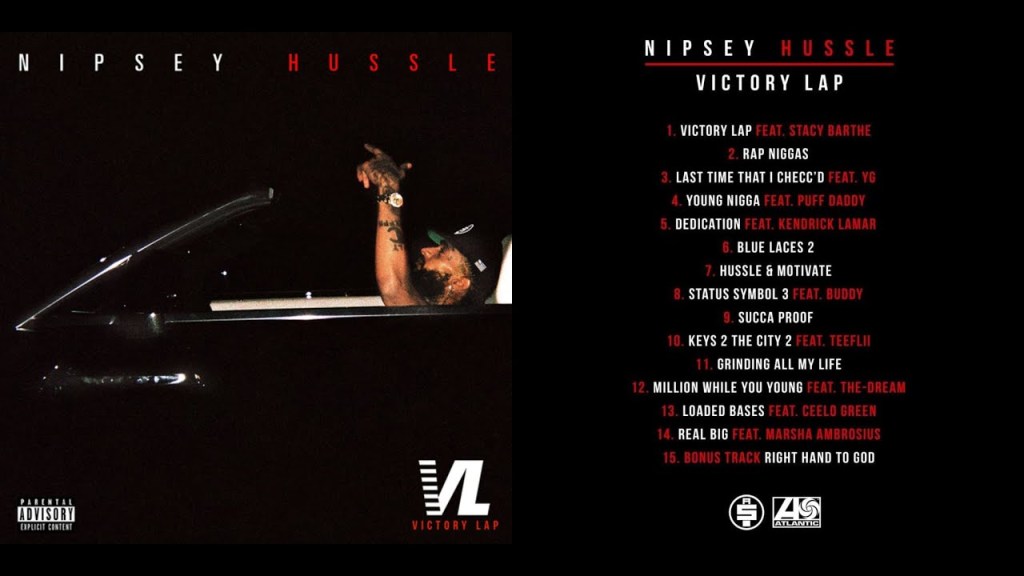
This semester I will be posting about Ermias Joseph Asghedom, famously known as “Nipsey Hustle.” Nipsey Hussle was a father of two, a Los Angeles entrepreneur, American Activist, and Grammy Award winning rapper. He was shot and killed Sunday March 31, 2019 at the age of 33, in front of his clothing store “The Marathon Clothing” on Crenshaw and Slauson in Los Angeles, California. This information is important to the concept of the rhetorical situation because different factors need to be understood when explaining the exigence of different artists and the audiences they attract.
According to Bittzer, “rhetorical situation is a response to discourse and speech. It should be understood as an attempt to revive the notion of rhetorical situation, to provide at least the outline of an adequate conception of it, and to establish it as a controlling and fundamental concern of rhetorical theory” (Bitzer 47). The Rhetorical Situation is composed of three parts : exigence, audience, and constraints/ opportunities. EXIGENCE is the issue, problem, or situation that causes or prompts someone to write or speak. In this studio interview with Mass Appeal featuring Nipsey Hussle he explains that his reason for writing music was his background of gang violence and his time spent trying to survive the streets from the war he saw in everyday life. Nipsey Hussle’s explained his issues and problems as being “real life things,” “street shit,” such as his brother being sent to the penitentiary, life events that never got written about because it doesn’t belong on the front page but it affected his life dramatically. We as listeners have to ask ourselves this, do his songs pose a solution for his troubling experiences or is he simply creating content he thinks his listeners will adhere to?
Nipsey’s song “Dedication” from the album Victory Lap features Kendrick Lamar, another Los Angeles grown rapper who also shares his story, about rising from the hood to becoming two of the best rappers of their generation. The lyrics below explain how Nipsey Hussle was named “the Tupac of this generation” because of his intelligence and curiosity for new opportunities. Though he wanted better for himself, his frustrations of the prison complex and his destined fate of being in jail or dead lead him to the streets and at a crossroads to if he even had the means to stay dedicated to the hustle.
“This the remedy, the separation
2Pac of my generation, blue pill in the fuckin’ Matrix
Red rose in the gray pavement
Young black nigga trapped and he can’t change it
Know he a genius, he just can’t claim it
‘Cause they left him no platforms to explain it
He frustrated so he get faded
But deep down inside he know you can’t fade him
How long should I stay dedicated?
How long ’til opportunity meet preparation?”
The second concept of the rhetorical situation is AUDIENCE, who is the audience, and are there multiple audiences? Being from Los Angeles, a big portion of Nipsey Hussle’s followers and listeners are from the West Coast, especially from Southern California. Nipsey’s music was classified as “West Coast gangsta rap” differentiating his sound from pop or hip-hop. Like all rappers trying to make it out, his fan base was small at first but as Nipsey began to rise and build his empire other artists started mentioning his name and became followers themselves. Jay-Z, Lil Wayne, Drake, Rihanna, Snoop Dog, PDiddy, all famous and well known artists across the country labeled themselves as fans of Nipsey Hussle and helped get his name out, but his talents and messages behind the music were the main factors that got him far in the world before his passing.
Nipsey began his career in 2005 selling mixtapes out of his car, helping him gain respect from his peers and build a following from fans of his music. In 2013 he charged $100 dollars for his mixtape “Crenshaw” scoring cash and publicity when Jay-Z bought 100 copies for $10,000 dollars. In 2018 his album “Victory Lap” debuted at No.4 on Billboard’s 200 albums charts earning him a GRAMMY nomination in 2018 and 2019. Not only did Nipsey Hussle get nominated for for best rap song and best rap album, he won two GRAMMY awards at the 62nd ANNUAL GRAMMY AWARDS for “Racks in the Middle” being the best rap performance and “Higher” for best rap/sung performance.
The last concept in the Rhetorical Situation are constraints and opportunities. CONSTRAINTS and OPPORTUNITIES are the the factors that you are allowed to do or are not allowed to do. Some opportunities Nipsey Hussle took advantage of was using profanity in his lyrics. Though it can be looked down upon to use curse words especially to a younger audience it is the reality of what Nipsey is trying to tell through his lyrics. As a rapper there is a very different tone used compared to a country singer or R&B artist, but Nipsey had a way of using that tone to tell a story to his listeners about the obstacles he overcame and the language used in the streets. On the other hand, some constraints that Nipsey Hussle may stumble upon is the simple reality that he was gang affiliated and the it is not looked upon to listen to such content being young and vulnerable. The younger generation lives by idols, especially rappers and social influencers such as Hussle, though he tries to use rap in a positive way it can easily be spun into something negative.
I am hoping this criticism post served as an introduction to Ermias Asghedom, or “Nipsey Hussle.” Even if you do not like rap music I hope you can keep an open mind and have a better understanding for the meanings behind the lyrics.
Criticism Post # 9 “Picture Me Rollin”
The fourth persona is made up of “textual winks” and coded messages. According to Morris, one of his primary goals was to “Identify the tactics used in ‘passing’ as a response to the invisible audience ie the fourth persona.” The goal of this method is to identify the real audience and look for the clairvoyants and dupes.
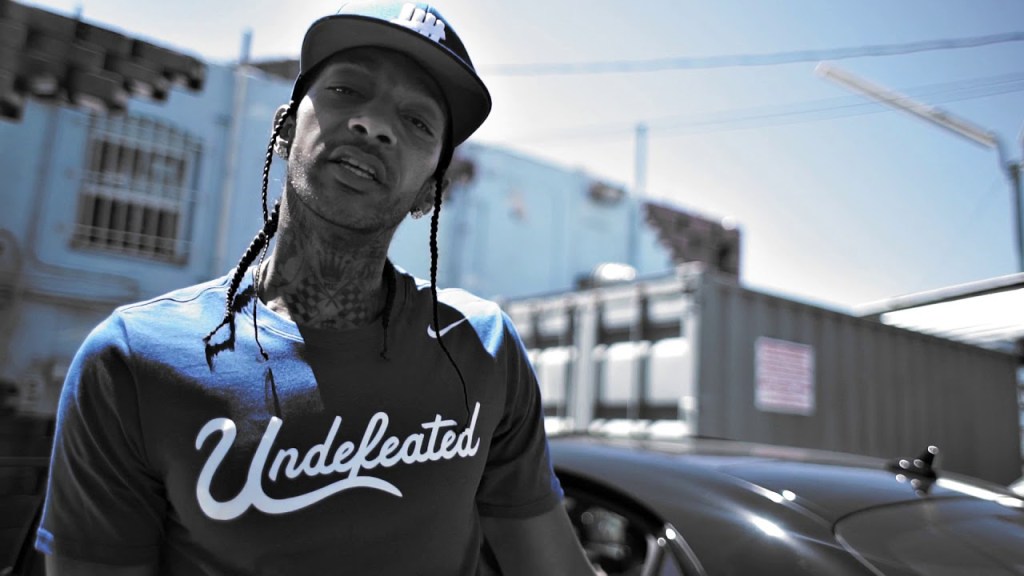
In Nipsey Hussle’s song “Picture Me Rollin” I want to outline those characteristics that are seen in the fourth persona and uncover the missed messages that many might not understand.
The first coded message is the lyric :
“Steppin’ on roaches, me and my locsters”
To many the word “locsters” is unknown, I was not aware of the meaning or that it was even a term until I started listening to Nipsey Hussle’s music. A “locster” is a crip with a reputation of being a “gangster.” This definition can fly right over the audiences head as it becomes just another word with no meaning behind it. Only a certain audience will understand that “steppin on roaches” does not have to do with a bug, but a person.
When it comes to rap music, and rappers like Nipsey Hussle sharing his story growing up in Los Angeles, being gang affiliated, not all listeners are going to understand the vocabulary used unless you are from the West Coast and have watched rap movies, listened to enough rap music, or are placed in an environment where that lingo is heavily used.
Nipsey reaches out to everybody, his goal is not to have one core audience, his goal is to have everyone listen to him and what he has to say. In numerous interviews and research throughout this semester he makes it clear that he wants to reach out to young gang members with his music to show that any man growing up the way Hussle did can make it out, and can make something of himself or herself.
When Nipsey raps lines such as :
“You might get a stripe man, but that ain’t gon’ pay for the strollers
Its never enough to console her
Telling, your daddy’s a soldier
She needs you right now in this moment
Not dead on your back pushing roses”
This makes me believe that Nipsey is not preaching to gang members, or the youth, he is talking to all the men in the world that “came from the gutter.” When listening to all of Nipsey Hussle’s song they are about being a man in the rap game and making it out, being a man that went to jail but having no other choice but to get out to support his family.
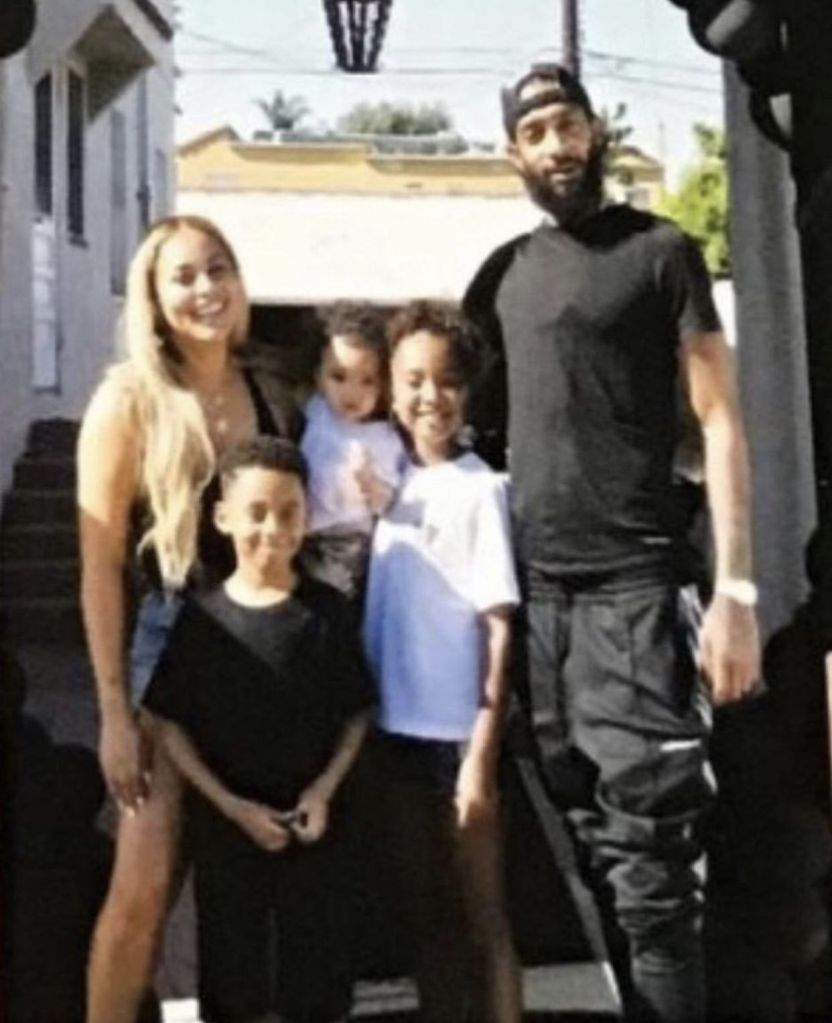
As a woman that listens to Nipsey Hussle, I am obviously part of his audience, but minorities, especially male minorities who have had to fight to live everyday is the audience that Hussle is trying to reach. That is his REAL audience.
Criticism Post #7
In the Neo-Classical approach, there are three persuasive factors or proofs that can be revealed in any text, which are ethos, pathos, and logos. According to the article “Nixon’s Address” by Hill, “To persuade is not the function of rhetoric but to investigate the persuasive factors inherent in the particular case…” (p.160, note 4). These three intertwined persuasive factors; logical, psychological, and characterological can be defined as :
Ethos : appeal to character.
Pathos : appeal to emotion.
Logos : appeal to reason.
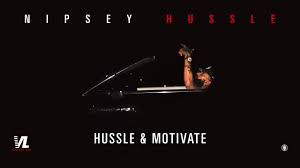
ETHOS (trust in the speakers character): Ethos can also be defined as “the characteristic spirit of a culture, era, or community as manifested in its beliefs and aspirations” (dictionary.com).
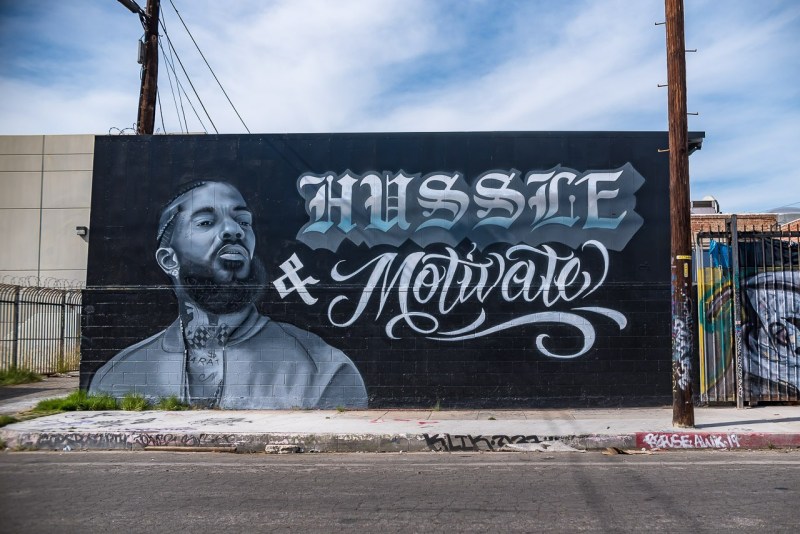
In the song “Hussle and Motivate” by Nipsey Hussle, listeners put trust in the character of the speaker and his authenticity of the content which he is rapping. Ethos looks for good sense and knowledge, good morals, and good will with the audiences best interest in mind. This can sometimes be hard to find in some of Nipsey Hussle’s songs because his content has a lot to do with gang life and gang culture, and how he has come up in the music industry. In the song “Hussle and Motivate” he says :
“I just respected the game, now my name all in the news
Trippin’ on all of my moves, quote me on this, got a lot more to prove”
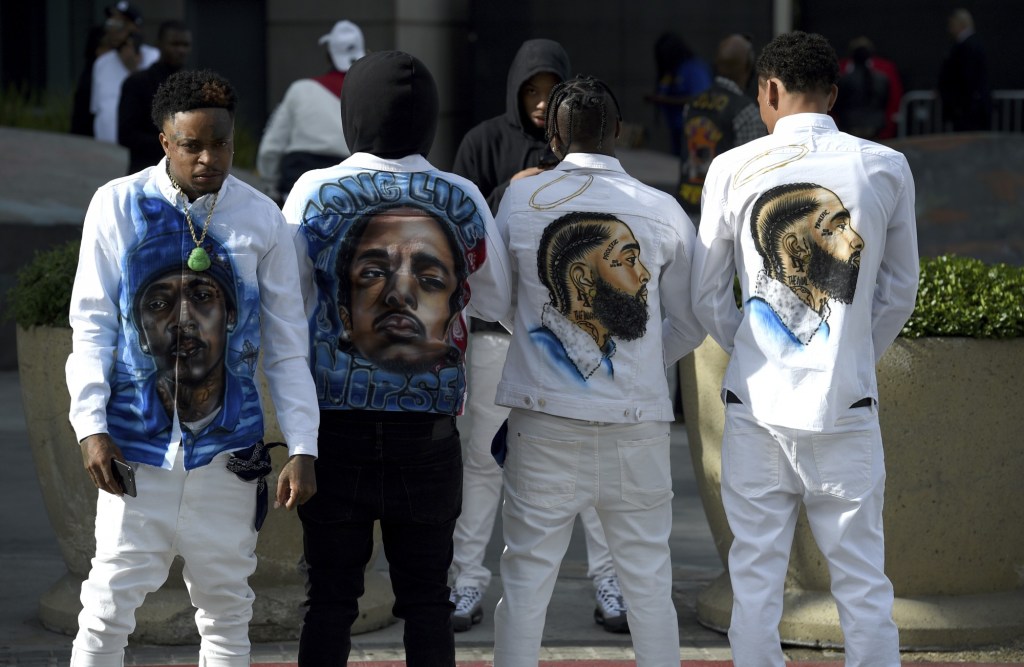
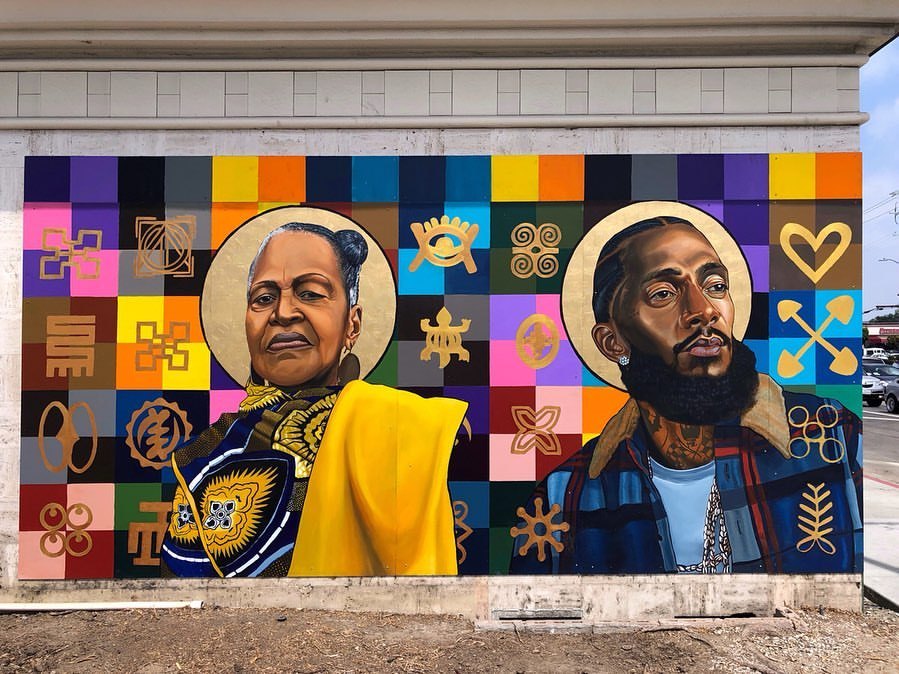
He respected the rap game and came up in the industry as a honest man, from selling mix tapes in the back of his car to signing with major record labels and eventually becoming a GRAMMY award winner. The community truly manifested in his beliefs and aspirations by supporting his music, store, and work as an activist. Numerous murals were made of Nipsey Hussle in a positive light highlighting his good sense, good will and good morals and values.
PATHOS (emotion about the subject under discussion): Pathos is usually amongst the easiest of the three proofs because it appeals to readers or listeners emotions.
Pathos is seen as one of the easiest persuasive factors or proofs to identify because it has to do with emotions, and us as listeners are full of emotion especially when listening to songs. The lyrics that stuck out to me in this song were :
“Take you in back of the buildings, make you expose your rage
Take you across the tracks, make you explode a face
Now you official now, but you got a soul to save“
The first line identifies Nipsey Hussle’s affiliation with the Rollin 60’s Crip gang. To be a gang member you ultimately have to be “jumped in” to prove your loyalty, courage and character. The second and third line explain another initiation ritual which is to kill someone “make you explode a face” and having to live and deal with that, trying to save your own soul with an action that will be in your consciousness forever. The gang life is a chosen one and most do not sympathize with that, but it does evoke emotion whether it be anger, sadness, or frustration that gang culture is such a big problem in cities like Los Angles.
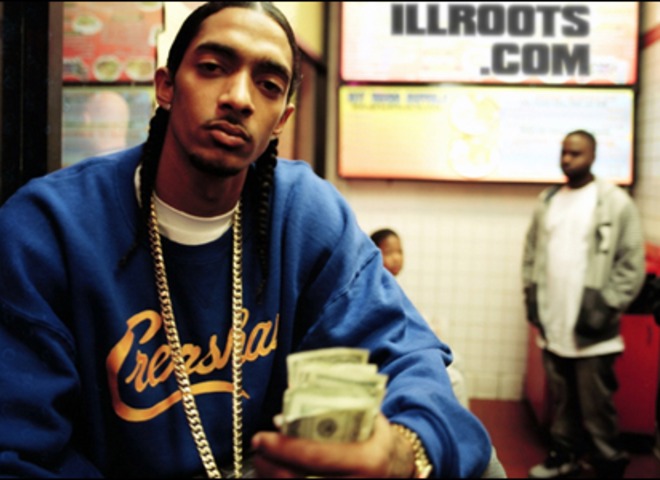
LOGOS (appeal to reason): Logos can be harder to find in songs since they do not always state facts, data, or charts, but it does contain logical proofs. There is much research around the different societal classes and their successes in life. The history we are taught in school is emphasized on success being seen as a white male, while “African Americans are incarcerated in state prisons across the country at more than five times the rate of whites, and at least ten times the rate in five states” (Nellis, Ashley). This statement is seen in Nipsey Hussle’s verse :
“Judge a young ni**a by they address”
This suggests the harsh reality that where you live is a representation of who you are and can easily be judged by where you live. Nipsey is proud to say he is from Slauson and Crenshaw in Los Angeles, but to the justice system he is another statistic of a gang banging, black man who was destined to be locked up and eventually killed. Unfortunately, this is the reality of Nipsey’s life, though he was able to conquer great things by being an activist and giving back to the community, and winning prestigious awards, the gang life caught up to him.
Long live Nipsey Hussle
The Marathon continues…
3/31/2019
Works Cited
Greenstone, M., Looney, A., Patashnik, J., & Yu, M. (2016, November 18). Thirteen Economic Facts about Social Mobility and the Role of Education. Retrieved from https://www.brookings.edu/research/thirteen-economic-facts-about-social-mobility-and-the-role-of-education/
Nellis, A. (2016, June 14). The Color of Justice: Racial and Ethnic Disparity in State Prisons. Retrieved from https://www.sentencingproject.org/publications/color-of-justice-racial-and-ethnic-disparity-in-state-prisons/
Criticism Post #6 “Gangsta’s Life”
According to Edwin Black, the second persona is an auditor who is often seen as one who is, “sitting in judgement” (pg. 56 ph.5). In other words, the second persona is the implied auditor or audience, this is who an author is potentially writing to directly. The goal of the second persona is moral judgement which “shapes decisively one’s relationship to the object judged” (Black, pg. 54 ph.2). In successfully using the second persona, you must identify the characteristics of the implied audience (who the author thought the audience was). Artists such as Nipsey Hussle live off of their audiences because without their fans they would have no success, no following, and no one to tell their story too.
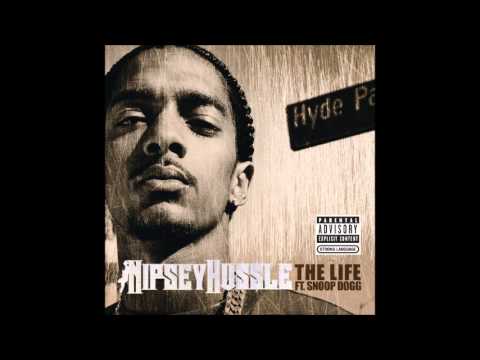
Nipsey’s Hussle’s song “Gangsta’s Love” featuring Snoop Dogg is about their lives as gangsters living on the West Coast. Both American rappers being affiliated with the Rolling 20s Crips (RTC) or for short the Rollin 20s, which is the second largest African-American criminal street gang on the east side of Long Beach, California. Snoop Dogg shows his street credibility in his lyrics :
Snoop Dogg :
“Bin doing doing this gangsta shit since 83
Back in the LBC”
The audience for this song are obviously listeners from the west coast, specifically in California since Snoop Dogg and Nipsey Hussle are both from Los Angeles, California. This song does not sound like a traditional “rap song” it has an upbeat tune and the tone, in my opinion doesn’t sound aggressive or hateful like some rap songs can come off as.
“It’s got a hold on me
The streets won’t let me go
I’m in love
It takes it’s toll on me
When I try to leave it alone
I can’t say no to the gangsta’s life”
Though the lyrics might seem restraining in the sense that the lyrics read that the streets have a hold on Nipsey and Snoop and they will never be able to leave the “gangster life” behind. Sometimes it seems that songs only reach certain audiences, for example today’s rap is known to reach a younger audience (stereotypically) and country may never reach listeners of the streets of Los Angeles. In looking at the second persona and seeing who Nipsey Hussle set out to be through numerous watched interviews, he wants to tell his story to whoever relates and whoever is willing to listen. We all may not know what it is like to grow up in Slauson and Crenshaw, being part of one of the largest gangs in Los Angeles, but we all know what it means to struggle with something in life and to “grow through what you go through.”
“I made it out of haters try to see me fall back
I was once told that everything glittering is not gold”
No matter where we are in life and who we have encounters with, there is always someone or a group who wants to see you fail or fall behind. We would hope that people have the best intentions, but in competing for a job, or getting the starting spot on your sports team, or being the BEST rapper to be heard, someone wants to do better than you and ultimately see you fall back. Unfortunately, the glittery yellow brick road is not always paved perfectly or even, there are bumps, cracks, and roadblocks, but thats the reality of the life we live. Thats what Nipsey Hussle and Snoop Dogg want to portray for their audience. You could be part of the Rollin 20s Crips, but when you grind it out and hustle everyday you could come from the worst places and still end up being the best to have lived in your career.
Citations
Black, E. (1970). The second persona. Quarterly Journal of Speech, 56(2). doi: 10.1080/00335637009382992
Criticism Post #5 “Higher”
Narrative criticism examines if a story is good or not, and if the story seems true to life. In Paul Booth’s article “Memories, Temporalities, Fictions : Temporal Displacement in Contemporary Television,” the author demonstrates how the contemporary digital media landscape not only encourages but also seemingly necessitates a complex interaction with temporality (Booth 1).
Within narrative criticism there are six different story elements :
- Characters : Who the people are in the story.
- Setting : Where the story occurs.
- Theme : The lesson, or moral of the story.
- Tone : The tone being happy, sad, uplifting, etc.
- Plot : What happens in the story.
- Conflict : The issue or problem in the story.
Characters : The main characters in this music video and song are DJ Khaled, Nipsey Hussle, and John Legend. All men have become very successful singers and songwriters, as well as great social influencers in the music industry. DJ Khaled is an American DJ, record executive, songwriter, record producer, author, and media personality. On the other hand, John Legend is an American singer, songwriter, producer, actor, and philanthropist. When putting all three great mind together for a song you get a masterpiece called “Higher.”
Setting : The setting took place in Inglewood, Los Angeles the city close to where Nipsey Hussle grew up. John Legend tweeted on March 31, 2019 “We filmed in Inglewood, close to where he grew up. He was so gifted, so proud of his home, so invested in his community. Utterly stunned that he’s gone so soon.”
Theme : The theme I took out of this song is in the chorus sung by John Legend :
“Oh, you keep taking me higher and higher (Yeah)
But don’t you know that the devil is a liar? (Yeah, I know)
They’d rather see me down, put my soul in the fire
But we keep goin’ higher, higher”
This to me means that no matter how many people “pray on your downfall,” wish bad on you, or look to you as another statistic to fail you have to keep going higher and rise above it.
Tone : The tone to me in this song is uplifting and happy. Though this song was released after Nipsey Hussle passed away, the piano played by John Legend and the choir in the background keeps the song upbeat and hopeful.
Plot : The plot is ultimately Nipsey Hussle telling his story growing up in Los Angeles, and sharing the reason for his existence which is ultimately that his Grandma never gave up on having children even though she had eleven miscarriages. In the genius annotations it read “My granny had 13 pregnancies and has two kids. She had 11 miscarriages from my uncle to my mom. Almost 12 years passed. She was just telling me, ‘Imagine if I would have gave up on my tenth miscarriage, my ninth miscarriage’ … I never thought about it. I wouldn’t be here. You can never repay your mom, your granny with material shit. You gotta repay them with standing up in life, being something they could be proud of.” This song goes through challenges and how Nipsey Hussle had to rise above it so his family would be able to say they were proud of him and he made it out the mud.
Conflict : The conflict in this song, like many of Nipsey Hussle’s songs is growing up in the streets of Los Angeles where gangs “empty clips” in broad daylight during a shootout. The police targeting people of color, growing up around gang bangin, homicides, and “dancing with the devil” to test the fait whether they get to live or die to see another day.
Citations :
Booth, P. (2010). Memories, Temporalities, Fictions: Temporal Displacement in Contemporary Television. Television & New Media, 12(4), 370–388. doi: 10.1177/1527476410392806
Rguzman. (2019, June 3). BTS Of Nipsey Hussle On His Last Music Video Set With DJ Khaled and John Legend. Retrieved from https://www.power106.com/2019/05/16/bts-of-nipsey-hussle-on-his-last-music-video-set-with-dj-khaled-and-john-legend/
Criticism Post #4 Los Angeles Hero
“The mayor called Hussle ‘an artist who touched our city.’ The police chief hailed him as a peacemaker. The head of the police commission said he had plans to meet with Hussle to discuss ways to reduce gang violence” (Arango, T.). An article in the New York Times highlighted Nipsey Hussle’s commitment to making his neighborhood a better place, while being LAPD’s main focus under a major investigation.
In this weeks criticism post I want to use the tragic-comic framing methods to describe Nipsey Hussle. The “tragic” framing method has emphasis on punishment, leading to closure with scapegoats to relieve collective guilts. On the other hand, the “comic” framing method is the emphasis on self-awareness, reflection, and shared responsibility. The media is able to frame and portray people in different ways and I want to analyze how Nipsey Hussle can be portrayed using these two framing methods.
As discussed earlier, the “tragic” framing method has more of a negative outlook on the person being discussed. Nipsey Hussle’s gang violence will always linger over him no matter how much right he does. Being part of the Rolling 60’s, which can arguably be one of the “biggest and baddest” gangs in Los Angeles will always be a reason to name Hussle as the bad guy and he should be somewhat punished for participating in gang violence. It is easy to see gang members as scapegoats to the bigger problem that our school and justice systems are failing. Even bigger, our government is failing the people with making it almost impossible to afford living in the states, pushing people into the “ghetto” or the “hood” where crime and gang violence is at its highest.
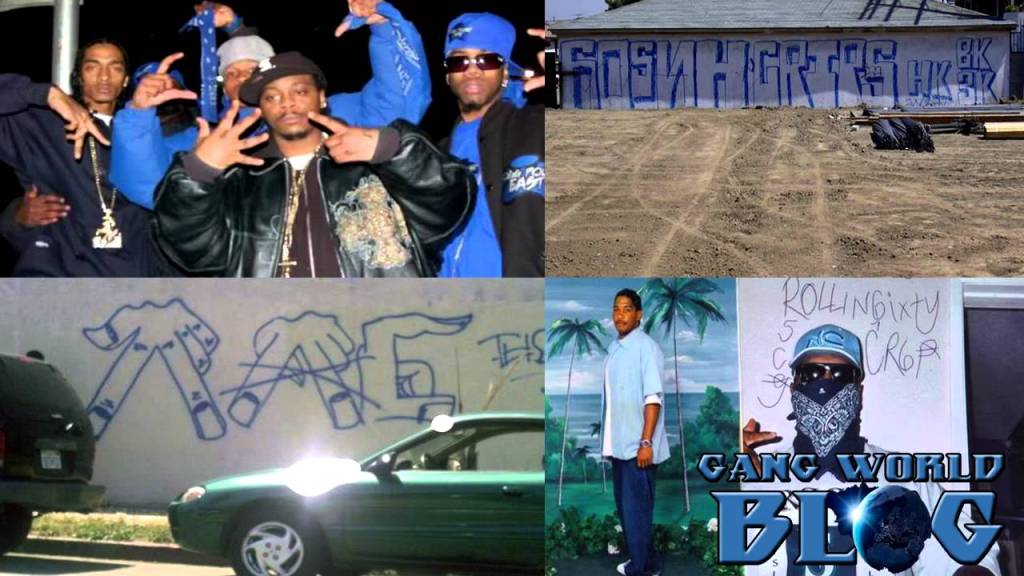
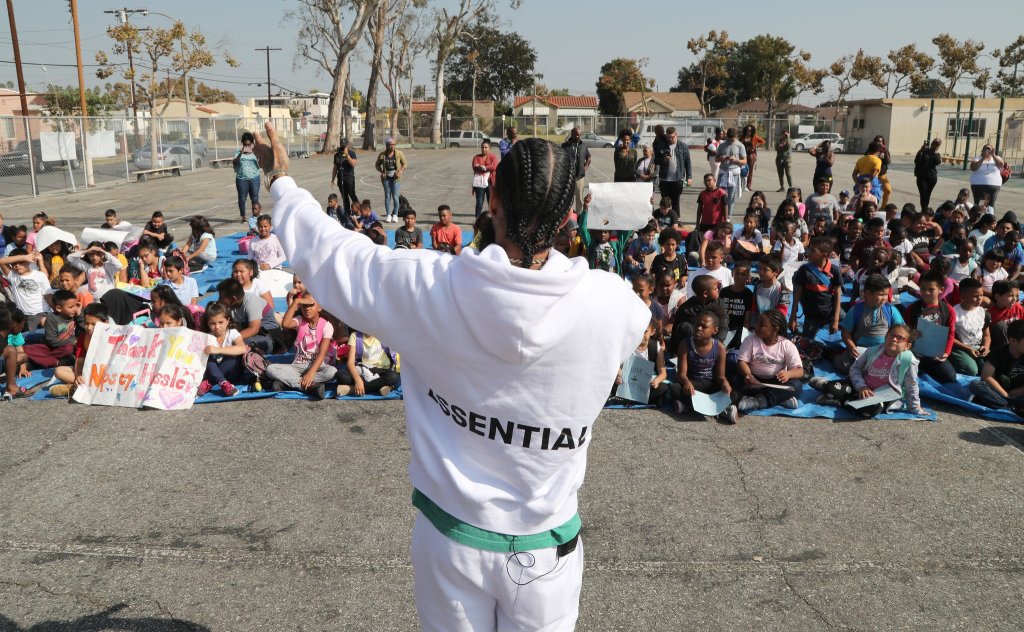
On the brighter side, Nipsey Hussle was also seen in the “comic” framing view, who took action in the community to make Los Angeles a better city. According to the New York Times article, and from many different interviews, Nipsey Hussle was very open with his past of gang violence and the Rollin 60’s. In recent years, with having children and a wife to care for he changed his direction to be more proactive, by investing in the community. He did this by working with his neighboring streets and cities to reduce gang violence, he purchased a strip mall, and planned to build new apartments complexes for his people (Arango, T.). This all lead to positive action and a conversation amongst different cities and political figures. Hussle set up meetings with the city’s police chief to discuss solutions of gang violence and knew he had the city to back him up with making this change. Unfortunately he never got that far because he too was a terrible outcome of gang violence, but his legacy will live on forever.
Citations :
Arango, T. (2019, April 19). Nipsey Hussle Was Hailed as a Hero. But to California Officials, He Was Still a Gangster. Retrieved from https://www.nytimes.com/2019/04/19/us/nipsey-hussle-death-california-gangs.html Arango, T. (2019, July 15). Nipsey Hussle Was Hailed as a Peacemaker by the LAPD. He Was Also Their Focus in an Investigation. Retrieved from https://www.nytimes.com/2019/07/15/us/nipsey-hussle-investigation.html
 Christina's Blog